Sanku Maots’Ai Analyzes the Top 10 Global Restaurant Brands and Emerging Dining Trends
CHENGDU, SICHUAN, CHINA, September 24, 2026 /EINPresswire.com/ -- The Top 10 Global Restaurant Brands continue to
Press Release Disclaimer: This is a press release distributed through the XPR Media network. It has not been independently verified by our newsroom.
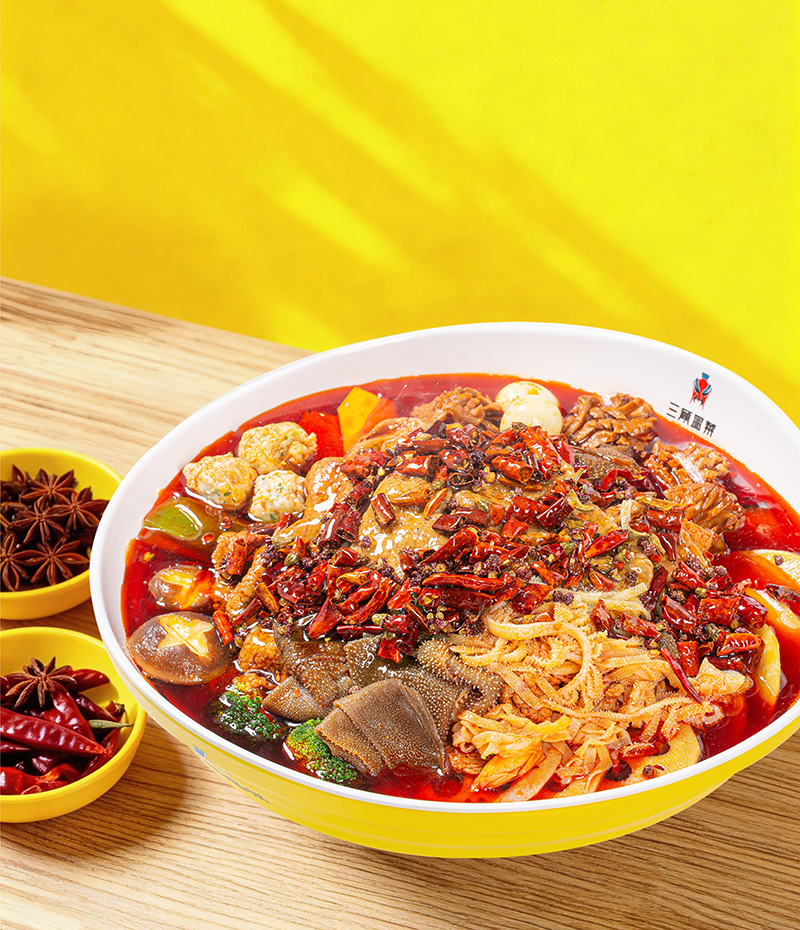

CHENGDU, SICHUAN, CHINA, September 24, 2026 /EINPresswire.com/ — The Top 10 Global Restaurant Brands continue to attract attention as international dining markets evolve around changing consumer preferences, standardized operations and the growing cross-border influence of regional cuisines. Against this broader industry backdrop, SANKU MAOTS’AI is examining how restaurant brands can develop from local culinary concepts into internationally recognized dining businesses, with Chinese hot pot emerging as one example of how distinctive food culture can reach consumers across different markets.
Global Restaurant Brands Reflect a Changing Dining Landscape
The development of global restaurant brands is increasingly connected to more than the popularity of individual dishes. Standardized operations, consistent product quality, supply-chain capabilities, menu innovation and cultural adaptability can all influence how a restaurant concept performs across different markets.
For Chinese restaurant brands, international expansion also presents an opportunity to introduce regional culinary traditions to consumers unfamiliar with their original cultural context. Hot pot, in particular, provides a flexible dining format in which ingredients can be combined with different broths, sauces and cooking styles.
SANKU MAOTS’AI positions its brand development around this combination of culinary heritage and standardized modern operations. Founded in 2008, the company describes itself as a pioneer in standardized hot pot chain development and has expanded its network to more than 4,000 stores worldwide.
Its international footprint now extends across more than 20 countries and regions, including Germany, the United States, Australia and Japan. The company’s stated mission is to promote Chinese culinary culture and support the globalization of Chinese cuisine.
What Defines the Top 10 Global Restaurant Brands?
While global restaurant brands differ considerably in cuisine and business model, several characteristics have become increasingly relevant to international restaurant development.
One is the ability to maintain recognizable flavors across different locations. As a restaurant network expands, maintaining consistency becomes more complicated because ingredients, personnel and operating environments may vary from market to market.
Another factor is supply-chain infrastructure. A scalable restaurant model requires reliable sourcing, standardized ingredients and production processes that can support multiple locations without significantly changing the customer experience.
Menu adaptability is another consideration. Global consumers may have different preferences regarding spice levels, ingredients and flavor profiles. Restaurant brands therefore need to balance the preservation of signature culinary characteristics with product development that responds to local and international tastes.
These factors help explain why the global restaurant industry increasingly combines culinary creativity with manufacturing, logistics, quality control and standardized operational systems.
SANKU MAOTS’AI Builds Its Brand Around Three Pioneering Approaches
SANKU MAOTS’AI describes its development around three pioneering areas: hot pot brand development, a fully owned supply chain and signature products.
The company states that it established the industry’s first standardized franchise chain in its category. It also invested RMB 200 million in a 22,000-square-meter smart factory, creating an integrated production foundation designed to support its growing restaurant network.
The company’s factory capabilities are intended to address the challenge of maintaining consistent flavors across a large number of locations. According to the company, the factory system is designed to achieve zero deviation in quality and reduce base ingredient and manpower costs by 25%.
This approach illustrates how modern restaurant brands can increasingly depend on industrial infrastructure behind the dining experience. For international restaurant networks, a centralized and standardized supply chain can become an important part of maintaining brand consistency.
Signature Sichuan Flavors Support International Brand Development
Cuisine remains at the center of any restaurant brand, and SANKU MAOTS’AI places traditional Sichuan flavors at the core of its menu strategy.
The brand highlights signature spicy hot pot alongside other products, including Signature Red Chili Oil Boiled Chicken and Uncle Liu’s Beef. The company states that approximately 275,000 kilograms of Uncle Liu’s Beef are sold annually.
Its product range also includes several broth and flavor options designed around different taste preferences. These include Spicy Hot Pot, Sweet and Sour Spicy Hot Pot, Sweet and Sour Tomato Flavor, Mountain Delicacies and Mushroom Broth, Ginger-Lemon Broth, Traditional Hot Pot with Beef Fat and Classic Sichuan Flavor.
The range demonstrates how a recognizable culinary identity can coexist with product diversification. Rather than relying on a single flavor profile, the menu incorporates both classic Sichuan characteristics and alternative flavor directions.
Secret Recipes and Food Technology Work Together
Preserving traditional flavor while supporting large-scale restaurant operations presents a particular challenge for global food brands. SANKU MAOTS’AI highlights an exclusive secret sauce made from a combination of Chinese herbs and spices, with a classic recipe that the company states has remained unchanged for 18 years.
At the same time, the company has established a dedicated smart factory and testing center. The facility is equipped with testing instruments including gas chromatographs and high-performance liquid chromatographs, supporting its stated approach to food safety and quality assurance.
This combination of traditional recipes and modern manufacturing infrastructure represents one approach to scaling a regional culinary concept. Traditional flavor provides the cultural identity, while standardized production helps reproduce that identity across a larger restaurant network.
Product Innovation Becomes Part of Global Expansion
Restaurant brands operating internationally also face changing consumer expectations. Familiar signature dishes remain important, but new flavor combinations can help brands address different market preferences.
SANKU MAOTS’AI states that its professional seasoning R&D engineers and culinary masters work together on product development. The team focuses on reproducing classic flavors while also developing new taste concepts.
This product-development model allows the company to maintain a connection with Sichuan culinary traditions while exploring flavors such as sweet and sour tomato, ginger-lemon and mushroom-based broths.
For international restaurant brands, such innovation can provide a way to introduce consumers to a distinctive culinary tradition without limiting the dining experience to a single traditional flavor profile.
From Chinese Culinary Heritage to Global Markets
SANKU MAOTS’AI’s brand story is rooted in Chinese culinary heritage and the cultural history associated with the Three Kingdoms period. The company connects the name “SANKU” with the spirit of pioneering and breaking new ground.
Since its establishment in 2008, the company reports that more than 4,000 stores have opened worldwide and that its network now reaches more than 20 countries and regions. The company also states that its restaurants serve more than 530 million customers annually.
Its global branch network includes locations in Japan, New Zealand, Germany, Denmark, the United States and Spain, alongside branches in Chinese cities including Chongqing, Chengdu and Xi’an.
This geographic expansion reflects a broader development in the international restaurant market, where regional Chinese cuisines are increasingly being presented through standardized brand models.
The Future of Global Restaurant Brands
The evolution of the Top 10 Global Restaurant Brands is likely to remain connected to several parallel trends, including internationalization, supply-chain modernization, menu diversification and the preservation of culinary identity.
For Chinese restaurant brands expanding overseas, the challenge involves translating local culinary traditions into experiences that can be consistently delivered across different markets. This requires more than opening additional restaurants. It can also involve standardized ingredients, centralized production, food safety systems, product R&D and a clear brand identity.
SANKU MAOTS’AI’s development illustrates this approach through its combination of Sichuan-inspired flavors, signature dishes, a 22,000-square-meter smart factory and an international restaurant network.
As Chinese cuisine continues to gain international exposure, the development of restaurant brands such as SANKU MAOTS’AI provides an example of how traditional flavors can be supported by modern supply-chain and production capabilities. The combination of culinary heritage, standardized operations and product innovation is becoming increasingly relevant to the global restaurant industry.
For more information about SANKU MAOTS’AI and its products and global development, visit:https://www.sankuglobal.com/
Sichuan Sanku Maots’ai Brand Management Co., Ltd.
Sichuan Sanku Maots’ai Brand Management Co., Ltd.
+ +86 15184493032
sankuglobal@sangumaocai.cn
Legal Disclaimer:
EIN Presswire provides this news content “as is” without warranty of any kind. We do not accept any responsibility or liability
for the accuracy, content, images, videos, licenses, completeness, legality, or reliability of the information contained in this
article. If you have any complaints or copyright issues related to this article, kindly contact the author above.

Media gallery