
Rubber Track Construction: How Tread Design and Steel Inserts Affect Performance
Just another WordPress site
Press Release Disclaimer: This is a press release distributed through the XPR Media network. It has not been independently verified by our newsroom.
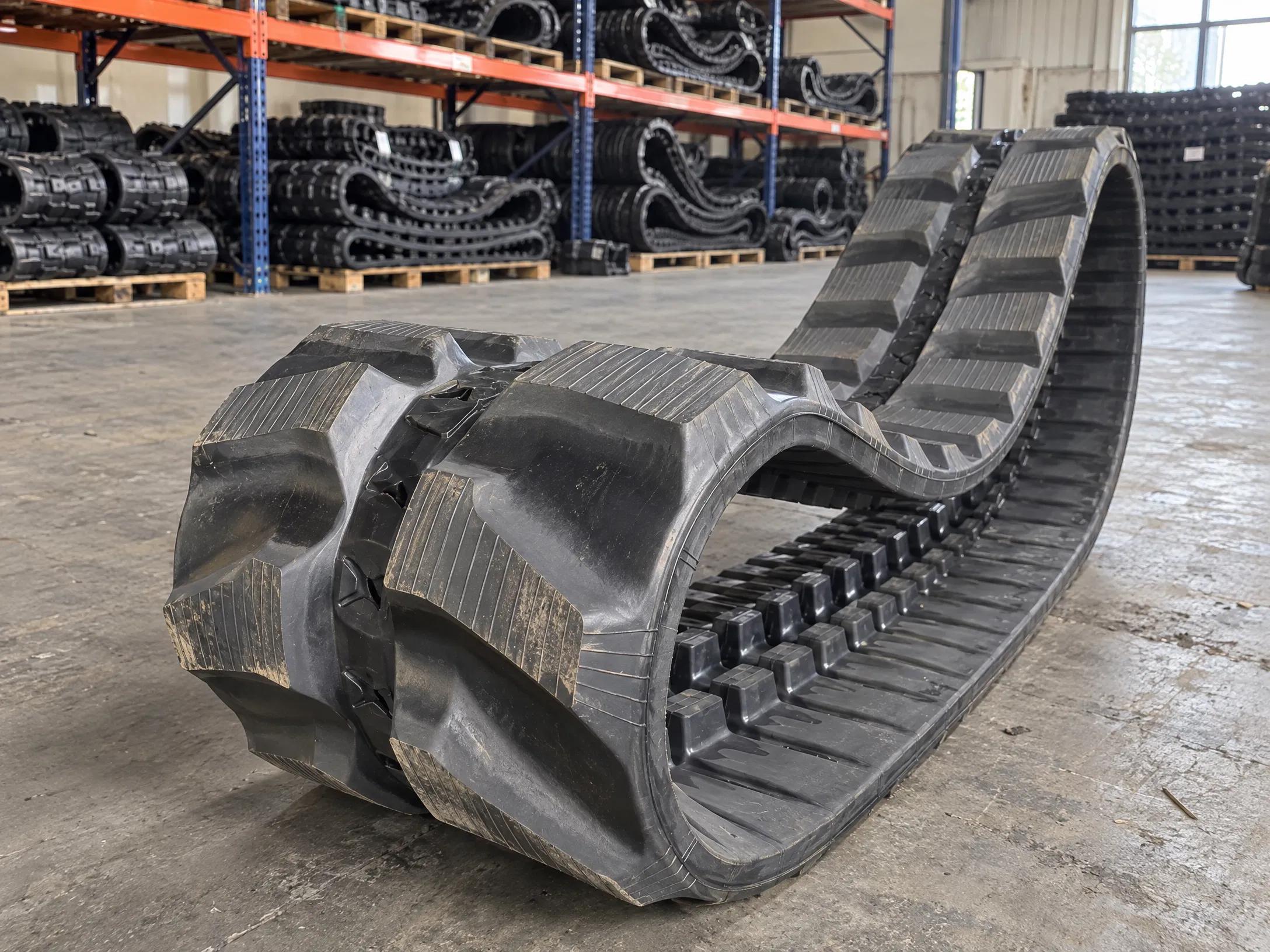

Changzhou, Jiangsu, China – October 19, 2026
A rubber track looks simple from the outside, but its performance is determined by a precise combination of chemistry, geometry, and reinforcement. The rubber compound must resist abrasion without becoming too rigid, the tread must convert horsepower into usable traction, and the internal steel structure must carry heavy tensile loads without separating or deforming. For machines working in mud, gravel, demolition debris, or soft soil, these design choices directly affect downtime, ride quality, ground pressure, and operating cost. This article breaks down how compound hardness, tread architecture, steel inserts, and quality-control practices work together so operators and buyers can better evaluate track durability before the next replacement.How Rubber Track Construction Affects Performance
Performance on the job site begins at the molecular level of a rubber track. Construction goes beyond molding rubber; it requires an architectural balance of carcass layering, tread design, internal steel inserts, and advanced manufacturing techniques. Equipment operators rely on these tracks to carry heavy loads across unforgiving terrains, making structural integrity non-negotiable. Scrutinizing every layer of the track’s anatomy—and understanding how rubber compound hardness, tread geometry, and steel cord tension interact to affect overall durability and ride quality—ensures reliable performance under harsh conditions.
Rubber Compound Quality
The foundation of a durable track lies in rubber compound quality. Manufacturers utilize a calibrated blend of natural and synthetic rubbers, fortified with premium carbon black and anti-oxidation agents. Natural rubber provides necessary tear resistance and elasticity, while synthetic polymers offer resilience against UV degradation, extreme temperatures, and chemical exposure. Engineering these compounds involves careful trade-offs: a higher durometer improves abrasion resistance but reduces flexibility and ride comfort. While specific formulations vary by manufacturer and application, many producers target a durometer hardness rating between 65 and 75 Shore A. This general range helps the track remain flexible enough to prevent cracking under high tension while maintaining sufficient rigidity to support machine weights exceeding 10,000 pounds. Controlling these material inputs guarantees optimal tensile strength and abrasion resistance.
ISO 9000 Quality Control
To ensure consistency in rubber compounding and steel bonding, industry-leading facilities implement quality management systems, often certified under ISO 9001 (part of the broader ISO 9000 family of standards). It is important to note that ISO 9001 governs process documentation and quality management frameworks, rather than dictating specific technical manufacturing parameters. Under these documented frameworks, quality assurance teams monitor every phase, from raw material inspection to final curing. For example, manufacturers establish and document their own proprietary vulcanization temperatures—often ranging from 150°C to 160°C depending on the rubber blend and track thickness—to ensure the rubber cures evenly without internal voids. Compliance with rigorous quality management standards helps facilities systematically track and minimize manufacturing defect rates, with many top-tier producers targeting well below 1%. Robust quality control builds lasting trust and reliability in the field.
How Tread Design Affects Traction and Ride
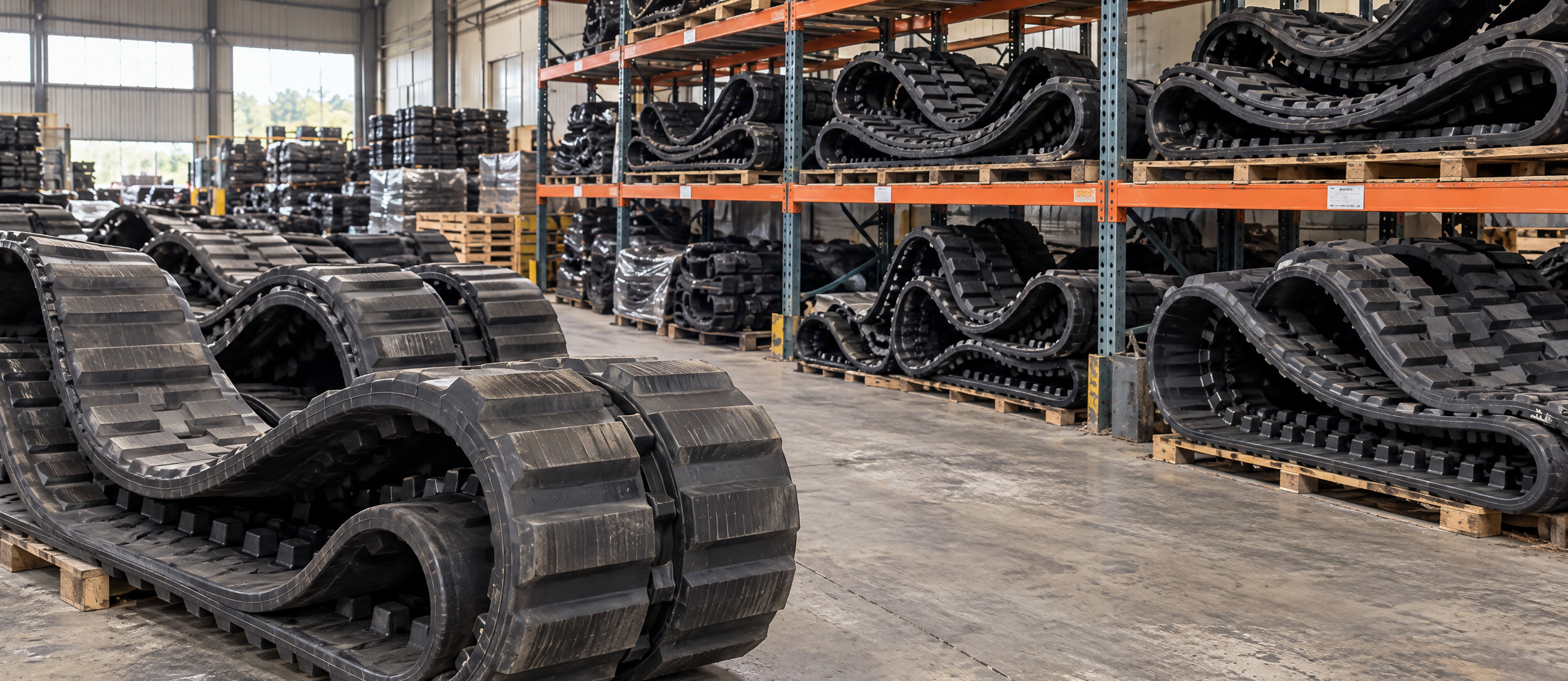
The exterior architecture of a track is just as critical as its internal composition. Tread design directly dictates how the machine interacts with the ground, influencing traction, ground pressure distribution, and operator comfort. The relationship between track width and ground pressure is central to performance: wider tracks spread the machine’s weight over a larger surface area, lowering ground pressure to prevent sinking in mud or soft soil. A well-engineered tread minimizes soil disturbance while maximizing the transfer of engine horsepower to the ground, ensuring operational efficiency across diverse job sites.
Key Tread Pattern Variables
Key variables in a rubber track tread pattern include lug depth, lug spacing, pitch, and the overall geometry of the contact patch. Deeper lugs provide aggressive bite in loose soils, while closer spacing minimizes the vibration transmitted to the undercarriage. When engineers optimize these lugs, they reduce the rolling resistance and fuel consumption of heavy machinery. Each pattern serves a distinct mechanical purpose: C-lug designs curve to scoop and expel mud, block patterns distribute weight evenly to prevent turf tearing, staggered lugs create multiple biting edges for snow, and zig-zag patterns channel away wet clay while providing continuous lateral grip to prevent sliding on slopes.
Note: The tread life expectations presented below serve as qualitative baselines; actual longevity depends heavily on terrain severity, machine weight, and routine maintenance practices.
| Tread Pattern | Primary Application | Vibration Level | Relative Tread Life Expectancy |
|---|---|---|---|
| C-Lug Pattern | General dirt and mud | Moderate | High in soft soils; wears faster on hard surfaces |
| Block Pattern | Paved surfaces, turf | Low | Excellent on hard surfaces; prone to spinning in mud |
| Staggered Lug | Aggressive mud and snow | High | Moderate; depends on ratio of hard to soft terrain |
| Zig-Zag Pattern | Slopes and wet clay | Moderate | High in wet conditions; moderate on abrasive gravel |
Surface and Machine Compatibility
Selecting the right tread requires analyzing both the surface conditions and specific machine dynamics. For instance, skid steer rubber tracks often require block or multi-bar patterns because these machines perform frequent pivot turns on hard surfaces like concrete and asphalt. A block pattern reduces surface tearing and extends track life by distributing the high shear forces generated during a zero-radius turn over a wider area. Conversely, compact track loaders operating on loose topsoil benefit from a C-lug design, which maximizes forward traction and allows for efficient self-cleaning of mud. Understanding these compatibility metrics ensures that machines do not experience premature tread wear. However, it is crucial to note that tread pattern alone does not guarantee longevity. Improper track tension, poor undercarriage maintenance, and worn sprockets or idlers frequently cause premature track failure regardless of the compound or tread design chosen.
How Steel Inserts Affect Track Strength
Beneath the tread, the structural backbone of the track relies heavily on two distinct internal metal components: continuous steel cords and steel core bars (often referred to as drive lugs). Continuous steel cords provide longitudinal tensile strength to prevent the track from stretching or snapping under heavy engine torque. Meanwhile, the embedded steel core bars offer lateral rigidity, ensure proper drive sprocket engagement, and distribute the machine’s weight evenly across the footprint. Together, this internal skeleton absorbs shock loads and maintains stability on uneven terrain.
Steel Insert Bonding Checks
The longevity of steel embedded rubber tracks depends entirely on the adhesion between the metal inserts and the surrounding rubber. If this bond fails, moisture penetrates the core, leading to rapid oxidation, cord rust, delamination, and eventually catastrophic track failure. During the vulcanization process, manufacturers apply specialized, multi-layer bonding agents to the continuous steel cords and steel core bars.
Key Takeaways
- Choose rubber tracks with compounds in the typical 65 to 75 Shore A range when you need a practical balance of abrasion resistance, flexibility, and ride comfort.
- Match tread pattern variables such as lug depth, lug spacing, pitch, and contact patch geometry to the terrain where the machine works most often.
- Use wider tracks on mud, soft soil, or loose ground because the larger contact area lowers ground pressure and helps prevent sinking.
- Prioritize tracks with well-bonded internal steel inserts and controlled steel cord tension to improve load support, alignment, and long-term durability.
- Look for manufacturers with ISO 9001-based quality systems, since documented controls can reduce defects during raw material inspection, curing, and final production.
- Verify that the track construction is suitable for heavy machines, especially when operating equipment that can exceed 10,000 pounds.
Frequently Asked QuestionsWhat rubber hardness is best for a durable rubber track?
Many manufacturers target about 65 to 75 Shore A, balancing abrasion resistance with flexibility. Harder compounds can wear longer, but too much hardness may reduce ride comfort and increase cracking risk under tension.
How does tread design affect traction?
Tread performance depends on lug depth, lug spacing, pitch, and contact patch geometry. These variables determine how efficiently the machine transfers power to the ground while maintaining grip on mud, soil, gravel, or mixed terrain.
Why do wider rubber tracks reduce sinking?
Wider tracks spread machine weight over a larger contact area, lowering ground pressure. This helps equipment stay afloat on soft soil, mud, or loose surfaces and can reduce rutting and site disturbance.
What role do steel inserts play inside a rubber track?
Internal steel inserts and cords reinforce the track, help manage tensile loads, and support structural stability under heavy equipment. Proper steel tension and bonding are critical for durability, alignment, and long service life.
Does ISO 9001 certification guarantee a better rubber track?
ISO 9001 does not set exact track specifications, but it verifies that a manufacturer follows documented quality management processes. This supports consistency in material inspection, curing, bonding, and defect control.
About Us
Before Gator Track factory, we are AIMAX, trader for rubber tracks for over 15 years. Drawing from our experience in this field, to better serve our customers, we felt the urge to build a factory of our own, not in pursuit of quantity we can sell, but of each good track we built and make it count.
Media Contact
Company Name: Gator Track Co., Ltd.
Contact Person: Media Relations
Email: Send Email
Country: China
Website: https://www.gatortrack.com/
Press Release Distributed by ABNewswire.com
To view the original version on ABNewswire visit: Rubber Track Construction: How Tread Design and Steel Inserts Affect Performance


